What Do You Look For in a Pet?
Choosing a pet is one of the most rewarding decisions a person or family can make. A pet can bring comfort, laughter, companionship, protection, purpose, and unconditional love. But the best matches happen when people take time to think honestly about what they need, what they can provide, and what kind of animal will truly fit their life.
Too often, people choose a pet based on appearance, impulse, or emotion alone. A cute face can open the heart quickly, but responsible pet ownership asks deeper questions. The goal is not simply to find an animal you like. The goal is to find a pet you can love, care for, train, protect, and commit to for life.
What Kind of Pet Fits Your Life?
Start with the basics. What type of pets do you naturally prefer? Are you drawn to dogs, cats, rabbits, birds, horses, or smaller companion animals? Do you want an energetic animal that keeps you active, or a calmer pet that enjoys quiet companionship?
Think about the pets you have had in the past. What worked well? What was difficult? Were there behavior issues, medical needs, training challenges, or lifestyle conflicts that made ownership stressful? Past experiences can teach us what to look for, what to avoid, and where we may need more support this time.
It also helps to ask: are you choosing the pet you want, or the pet that fits your current season of life? A young puppy may be adorable, but it also requires time, patience, house training, socialization, and supervision. A senior pet may be slower and calmer, but could need extra medical care. Every age and personality comes with blessings and responsibilities.
Where Have You Looked?
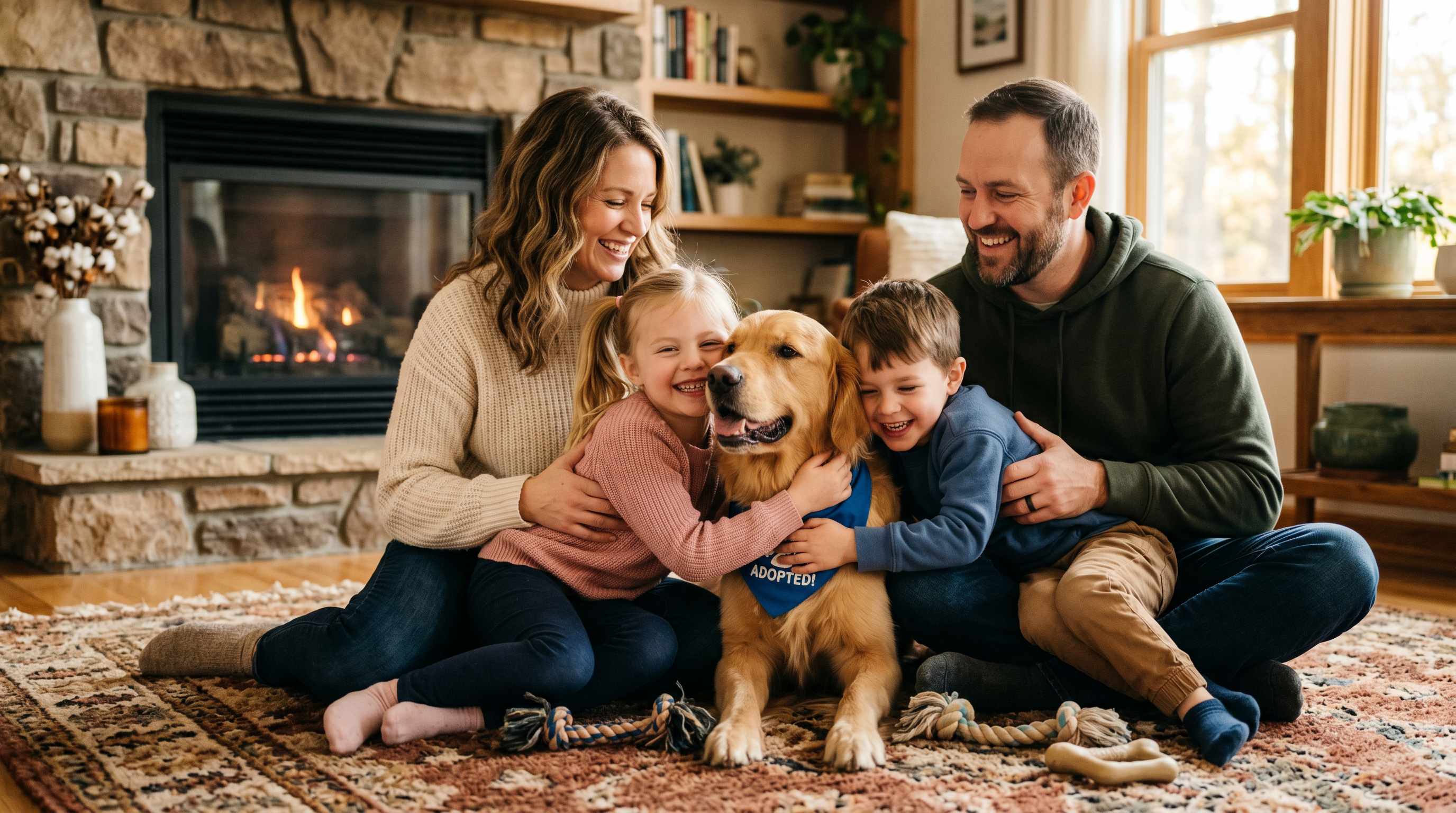
Many people begin their search online, through friends, or through breeders. But have you checked local rescue shelters and animal rescue groups?
Shelters and rescues are full of animals waiting for a second chance. Some are young. Some are seniors. Some are purebred. Some are mixed breeds with wonderful personalities. Many have already lived in homes, know basic routines, and are simply waiting for someone to see their value.
When you adopt from a rescue, you are not only gaining a companion. You are making room for another animal in need. You are becoming part of a larger mission of mercy, second chances, and responsible care.
"The goal is not simply to find an animal you like. The goal is to find a pet you can love and commit to for life."

Diversity of Companionship
The Role of Your Pet
People seek pets for many reasons. Some want a service animal. Some want a guard dog. Some want a companion to ease loneliness. Some want a family pet for their children. Each role requires different expectations.
A service animal needs specialized training and the right temperament. A guard dog must be handled responsibly and safely. A companion animal should be chosen for personality, lifestyle fit, and emotional connection. Before choosing, ask yourself: what am I expecting this animal to do, and is that expectation fair?
Children & Proper Care
If you have children, it is important to ask whether they understand proper care and respect for animals. Children should be taught that pets are living beings, not toys. They need gentle handling, quiet space, regular feeding, clean water, exercise, and rest.
A good pet can teach children compassion and responsibility, but adults must lead the way. The responsibility for a pet should never fall fully on a child. Parents and guardians must be ready to supervise, teach, and provide consistent care.
Commitment to Training
Training is one of the most important parts of successful pet ownership. Professional training can feel like an extra expense, but it is often an investment in peace, safety, and long-term success. A well-trained pet is easier to live with and less likely to be surrendered.
Life on the Move
Pet ownership does not pause when life gets busy. When you travel, what happens to your pets? Do you take them with you? Do you kennel them? How do you maintain continuity of care while you are away? Pets need consistency, especially if they have anxiety or medical needs.
Health & Nutrition
Every pet owner should have a trusted veterinarian. Preventive care matters. Vaccines, wellness checks, and early treatment can prevent suffering and save money over time. Food is also a basic way we care for animals. Budget matters, but quality nutrition affects long-term health.
Reflection Checklist
Do I have enough time each day for this animal?
Can I afford medical care, grooming, and emergencies?
Does my housing allow this type or size of pet?
Does anyone in my home have allergies?
Will this pet get along with animals I already have?
Can I provide enough exercise and stimulation?
Am I prepared to commit for the animal's lifetime?
Am I choosing this pet for the right reasons?
Lifelong Commitment
The Final Journey
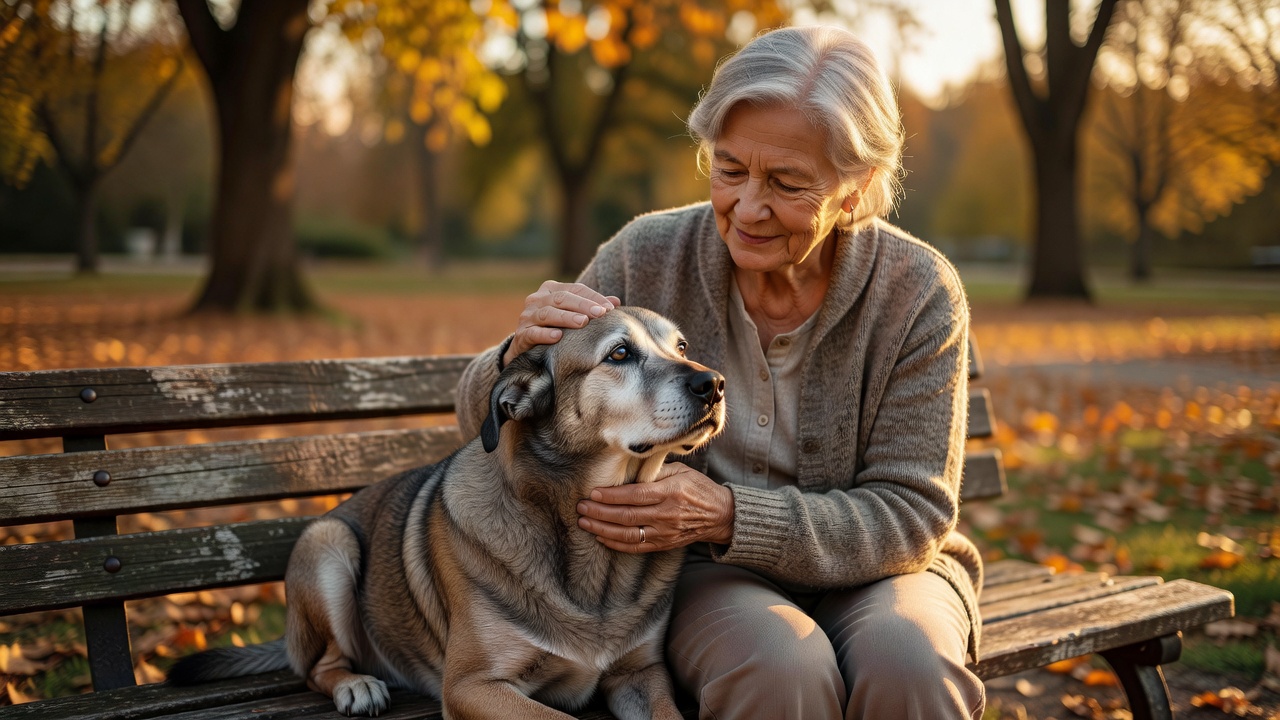
One of the most difficult parts of loving a pet is facing the end of their life. It is painful, but it is also part of the commitment.
Have you thought about how you would handle serious illness, aging, pain, or quality-of-life decisions? End-of-life care is not something most people want to think about when choosing a pet, but love requires us to consider the whole journey. A pet depends on us from the first day to the last.

The Right Pet is Worth the Wait
Finding the right pet should not be rushed. The best match is built on honesty, patience, and love. When people take time to ask the right questions, fewer animals are returned, fewer families feel overwhelmed, and more pets find homes where they can truly thrive.
Which pet can you love well?